Headlight Glare in the UK: What’s Being Done and How Drivers Can Reduce It
.png)
Headlight technology is brighter than ever - but not always better for those on the receiving end. Here’s what’s being done to tackle glare and how drivers can make night driving safer.
Headlight Glare: What Drivers Should Know
Brighter headlights are great for visibility but not always for other road users. Here’s what the UK is doing to tackle glare, and what drivers can do to reduce its impact.
Why it’s under review
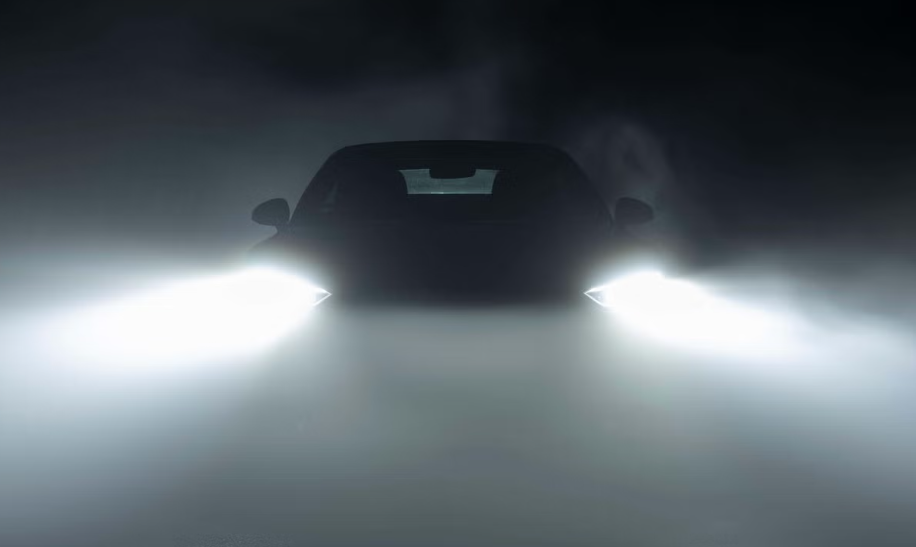
The UK government has launched a formal review into headlight glare after widespread concern from motorists about overly bright lights. Surveys show that around nine in ten drivers feel that some headlights are simply “too bright”.
Modern LED headlights and the higher driving position of SUVs are both contributing factors. Misaligned beams, aftermarket bulb upgrades, and the sheer intensity of newer lighting systems can make night driving uncomfortable and, in some cases, unsafe.
Authorities have identified hundreds of collisions each year in which “dazzling headlights” were recorded as a contributing factor. It’s now high on the road-safety agenda.
What changes might be coming
Government research is underway to assess how headlight design and brightness can be better regulated. Areas under consideration include:
-
Automatic headlight levelling systems becoming mandatory in all new vehicles.
-
Tighter rules around headlamp alignment to ensure lights are properly aimed.
-
Stronger enforcement against unapproved LED conversions and poor-quality aftermarket bulbs.
Until the review is complete, the advice from safety experts is clear: make sure your own vehicle’s lights are aligned correctly and always use approved parts.
What manufacturers are doing to cut headlight glare
Modern carmakers are investing heavily in lighting technology designed to improve night-time visibility without dazzling other drivers.
1. Glare-free or matrix high-beam systems
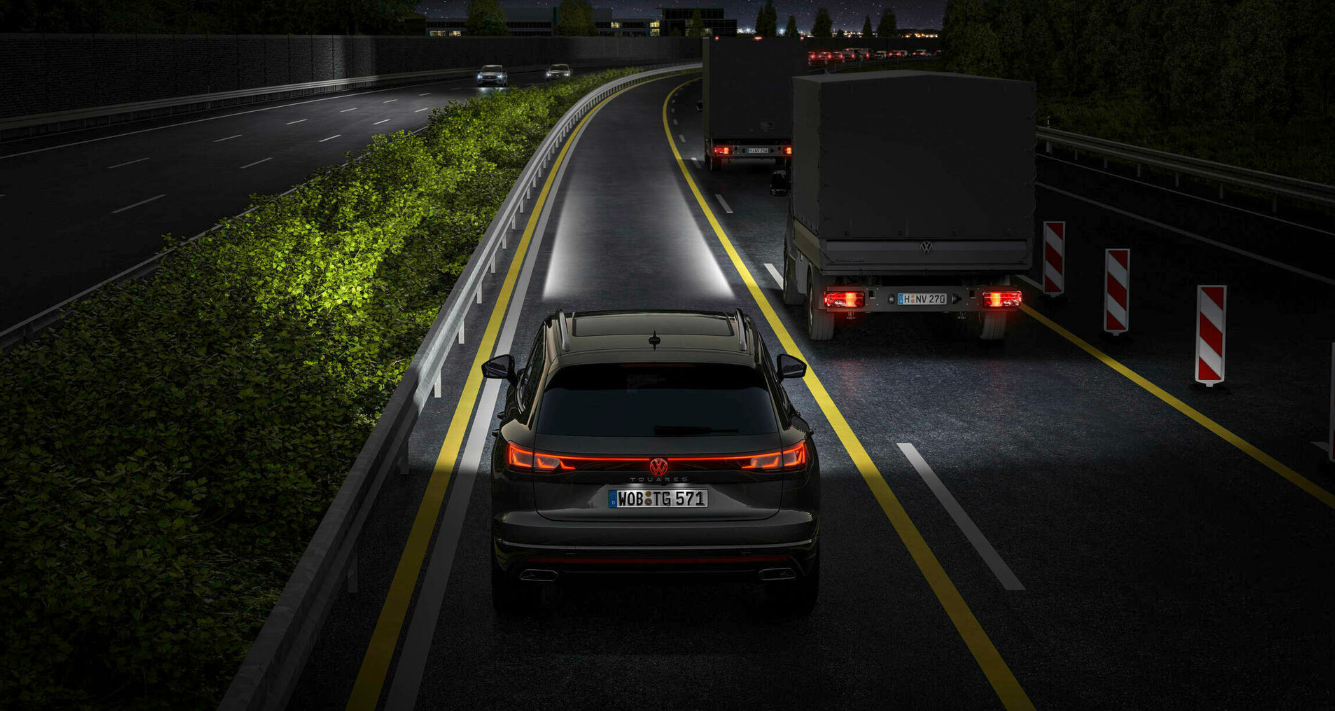
These systems split the headlight beam into multiple controllable segments. Cameras detect other vehicles, and the car automatically “shades out” sections of the beam to prevent glare while maintaining full illumination elsewhere.
-
Volkswagen uses its IQ.Light HD Matrix system to shape the beam around oncoming traffic.
-
BMW and Mercedes-Benz offer adaptive high-beam systems that dynamically block light from dazzling other drivers while keeping high-beam performance.
2. Auto-levelling and beam alignment
Most modern cars now include automatic headlamp levelling, which keeps the beam at the correct height regardless of passenger or cargo weight. This helps stop high beams from pointing too high and blinding oncoming traffic.
3. Stamping out illegal retrofits
Manufacturers and regulators are also taking steps to prevent non-approved LED “upgrade” bulbs from being fitted to older halogen units. These retrofits often scatter light unevenly, greatly increasing glare and failing MOT standards.
What drivers can do today
While policy catches up, there’s plenty drivers can do to help reduce glare and stay safe:
-
Check your alignment — Poorly aimed headlights are one of the most common causes of dazzle.
-
Avoid unapproved upgrades — Fitting LED bulbs into halogen units can cause glare and may fail an MOT.
-
Keep your windscreen clean — Smudges and dirt amplify glare from oncoming traffic.
-
Dip early — Switch to dipped beam as soon as you see another vehicle approaching.
-
Slow down if dazzled — If bright lights reduce your visibility, ease off the accelerator until your eyes recover.
-
Check your eyesight — Especially if you drive at night often. Eye strain or outdated prescriptions can make glare worse.
What’s next: the future of lighting technology
The next generation of lighting systems aims to combine safety, visibility, and comfort for everyone on the road.
-
Pixel lighting: Future headlights will use thousands of miniature LEDs or “pixels”, allowing ultra-precise control of the beam. This means road signs, cyclists, and pedestrians can be illuminated individually, while other vehicles remain in shadow.
-
Smarter detection: Advanced cameras and sensors will identify oncoming cars, cyclists, and even reflective surfaces in real time, adjusting beam shape instantly.
-
Regulation updates: As research continues, expect new standards to focus on better alignment, smarter levelling, and tighter control over brightness limits.
A small change, a big difference
Headlight glare might sound like a minor irritation, but for many drivers it’s a daily challenge and one that affects comfort, confidence and safety. With the government now investigating the issue, we’re likely to see new standards and technology introduced over the next few years.
At Kinetic Vehicle Leasing, we encourage drivers and fleets to stay proactive: keep vehicles properly maintained, ensure headlights are aligned, and choose approved lighting equipment whenever possible.
If you’re an SME looking to simplify how you manage company vehicles, we’re here to help.
Kinetic Vehicle Leasing works with leading funders and dealers to get your business on the road efficiently and affordably.
Planning your next vehcle acqusition? Give us a call for a chat on 0330 202 0973 and find out how we can help.